
Sod Installation in Burbank, CA
An instant, even lawn instead of months of waiting
Or send the form for a free written estimate.
Get a free quote
What it costs. New sod runs about $1 to $2 per square foot installed, so a 1,000 square foot lawn costs $1,000 to $2,000. (HomeGuide, 2025)
What we do. We clear the old lawn, grade for drainage, prepare the soil, lay the sod with tight seams and water it in.
Free written estimate. We walk your yard, measure, take photos and send a written estimate. No pressure and no guesswork.
A watering plan. You get a written schedule for the first weeks, because new sod lives or dies by how it is watered.
Soil first. Compacted or worn-out soil is why most lawns fail, so we fix the ground before a roll of sod goes down.
Rebate note. The city lawn rebate pays to remove turf, not to install it. Replacing lawn with plants is a different job. (BWP)
Sod Installation in Burbank, CA
Seed can take months to fill in, and a lawn that is half bare in July is hard to enjoy. Sod installation Burbank CA homeowners choose gives them a finished green lawn the day it goes down, with the roots taking hold over the next few weeks. We install sod for front yards, backyards and whole-lawn replacements, and we prepare the soil first so the new grass can root.
The same crew clears the old lawn, grades the yard, lays the sod and walks you through the watering. Still deciding between real grass and other options? Our landscaping services overview compares them all in one place.
What Sod Installation Involves
A finished lawn is only as good as the ground under it, so most of the work happens before the first roll goes down.
-
Clear the old lawn
We remove old grass, weeds and debris. New sod cannot root into thatch or dead turf, so this step is not optional.
-
Grade and prepare the soil
We grade the yard so water drains the right way, then loosen compacted soil and work in amendments or topsoil where the ground is worn out.
-
Lay the sod
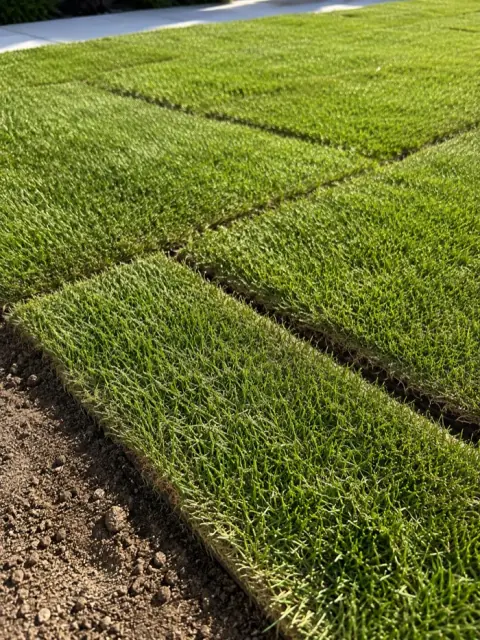
We lay the pieces in a staggered, brick-like pattern with tight seams, so the lawn knits together instead of showing gaps as it settles.
-
Water in and hand off
We water the sod thoroughly on day one and give you a schedule for the first weeks while the roots grow into the soil below.
What Affects the Cost of Sod Installation
Lawn size, old grass removal and soil condition decide most of the price. These are published cost-guide figures. Your written estimate gives the real number for your lawn.
Sod Installation Cost by Lawn Size
| Lawn size | Average cost installed |
|---|---|
| 500 sq ft | $500 to $1,000 |
| 1,000 sq ft | $1,000 to $2,000 |
| 1,500 sq ft | $1,500 to $3,000 |
| 3,000 sq ft | $3,000 to $6,000 |
Totals do not include removing the old grass, which adds $0.50 to $2.00 per square foot. Source: HomeGuide, Sod Installation Cost (Oct 2025). Local bids can run higher or lower.
What Moves the Price Up or Down
- Lawn size. Labor costs per square foot drop on lawns larger than 1,000 square feet.
- Old grass removal. Taking out the existing lawn, with hauling and disposal, is a separate line.
- Soil condition. Depleted soil needs fertilizer and additives. Rocky, dry or sandy ground can need heavy tilling and new topsoil.
- Grading and drainage. Regrading a yard costs $0.40 to $2.00 per square foot. A wet spot that keeps killing grass may need a French drain instead.
- Access and shape. Tight gates, tree roots, curves and slopes take longer to work around.
- Grass type. Sod prices vary by species, quality and delivery.
- Heat. Labor can run 10% to 15% higher when temperatures pass 95 degrees.
Your First Six Weeks With New Sod
New sod needs more care than an established lawn. Skipping the schedule is the most common reason a good install fails. We give you a written plan, and this is the timeline it follows.
| When | What to do |
|---|---|
| Day 1 | We water the sod in thoroughly right after it is laid. |
| Week 1 | Water one to two times a day so the roots do not dry out. Stay off the lawn. |
| Weeks 2 and 3 | Water every other day, adjusting for the weather. Shallow roots form in 10 to 14 days, and light walking is fine after that. |
| Weeks 4 to 6 | The roots stabilize. You can start mowing, edging and fertilizing. If lifting a corner of sod is hard, it has rooted. |
Source: HomeGuide, Sod Installation Cost (Oct 2025). Your schedule may differ with the grass type and the weather.
Choosing a Grass Type
The right grass depends on sun, traffic and climate. The sod alone runs about $0.30 to $0.80 per square foot before labor, and the prices below are for the material only. We match the variety to your yard before we order.
| Grass | Best climate | Sod price per sq ft |
|---|---|---|
| Bermuda | Warm | $0.30 to $0.85 |
| St. Augustine | Warm | $0.30 to $0.80 |
| Zoysia | Transition | $0.28 to $0.80 |
| Kentucky bluegrass | Cool to transition | $0.30 to $0.55 |
| Perennial ryegrass | Cool to transition | $0.40 to $0.85 |
Source: HomeGuide, Sod Installation Cost (Oct 2025). Good sod is 1 to 2 inches tall, dense, evenly colored and has intertwined roots.
Sod vs. Seed vs. Artificial Turf
Sod is the right call if you want a real lawn now and will keep up with watering and mowing. Seed costs less but fills in slowly. Artificial turf removes the water and the mowing. We install sod and turf, and we tell you honestly which one fits how you use the yard.
| Option | Cost | Best for | Tradeoff |
|---|---|---|---|
| Sod | $1 to $2 per sq ft installed | A real lawn that looks finished right away. | Needs regular watering and mowing, and careful aftercare for weeks. |
| Seed | $1 to $3 per sq ft for turf removal, topsoil and seeding | Large areas on a tight budget. | Seed takes longer to grow and does not always fill in evenly. |
| Artificial turf | $10 to $25 per sq ft installed | Side yards, small lots and high-traffic areas. | Highest cost up front, and it can run hot in direct sun. |
Source: HomeGuide, Sod Installation Cost (Oct 2025). See our artificial turf installation page for the full turf breakdown.
When You Need Sod Installation
Sod makes sense when you want a finished lawn fast. Homeowners call us when:
- Large bare or dead patches would take seed too long to recover
- A new build, addition or regrade left no lawn at all
- Weeds have taken over, or disease keeps coming back after treatment
- They are selling and want the front yard to show well
- An old lawn died back so badly that patching it is not realistic
The best times to lay sod are spring and fall. Midsummer heat can kill new grass quickly, so we plan around the weather. If you are replacing a thirsty lawn to cut water use, look at xeriscaping and turf removal, which the city rebate supports.
Why Lawns Go Patchy or Die Out
Uneven watering is the most common cause. Parts of a yard get different sun and drainage, and one fixed sprinkler schedule cannot serve them all. Compacted soil is another big one: it keeps water and roots from getting past the surface, so grass thins out even when it is watered. If you ignore it, the bare spots widen and weeds fill them.
Heavy foot traffic wears grass down faster than it can recover, and a long, dry summer finishes off whatever was already struggling. Fresh sod on properly prepared soil resets the lawn instead of asking struggling grass to recover on its own. Professional installation matters because bad prep, uneven grade or poor seams show up within weeks, and fixing them later means tearing out the sod you just paid for.
A lawn also needs a working sprinkler system. If yours has leaks or dead zones, see our sprinkler and irrigation repair service before you lay new sod.
Sod Installation Questions We Hear Most
How soon can I walk on new sod?
Light walking is usually fine after 10 to 14 days, once shallow roots form. Wait about four to six weeks before you mow, edge or fertilize. We give you specific guidance for your grass and the season.
How much watering does new sod need?
Water one to two times a day for the first week, then every other day for about two more weeks, adjusting for heat. After that you move to a normal deep-watering schedule. We write it out so the lawn neither dries out nor stays soggy.
Can sod go over an existing dead lawn?
Not directly. The old grass and thatch must come out first and the soil needs preparation, or the sod will not root. We handle the removal and prep as part of the job.
What grass varieties suit a hot, dry summer?
Warm-season grasses such as Bermuda and St. Augustine are listed for warm climates, while bluegrass and ryegrass suit cooler ones. The right pick also depends on shade and traffic, so we recommend a variety after we see your yard.
How long until sod is fully established?
It looks green and full right away, but the roots take four to six weeks to stabilize. Avoid heavy use and mowing too short in that window, so the roots have time to take hold.
Ready for a New Lawn?
Call for a free, no-pressure consultation. We walk your yard, check the soil and follow up with a written estimate and a watering plan.