Drought-Tolerant Landscaping & Turf Removal in Burbank, CA
Less water, lower bills, a yard that actually thrives here
Drought-Tolerant Landscaping in Burbank, CA
Tired of watching your water bill climb every summer just to keep a lawn alive that never looks that great anyway? Burbank Landscaping Co designs and installs drought-tolerant landscapes for homeowners in Burbank, California, replacing thirsty turf with native and Mediterranean plants that actually thrive in our climate instead of fighting it.
We handle the whole process, from removing your old lawn to planting and setting up efficient irrigation, so you end up with a yard that looks intentional instead of stripped bare.
What Drought-Tolerant Landscaping Involves
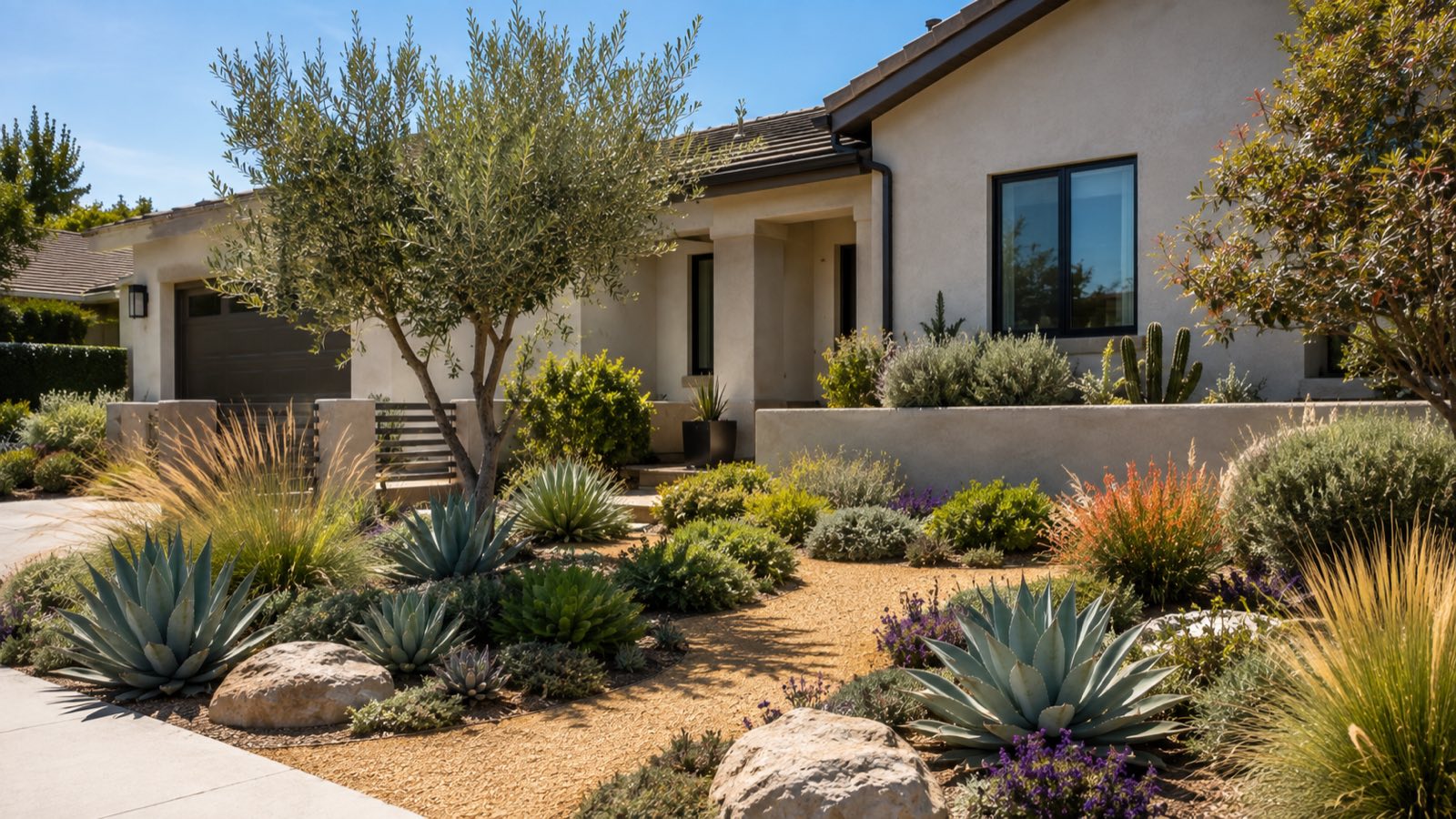
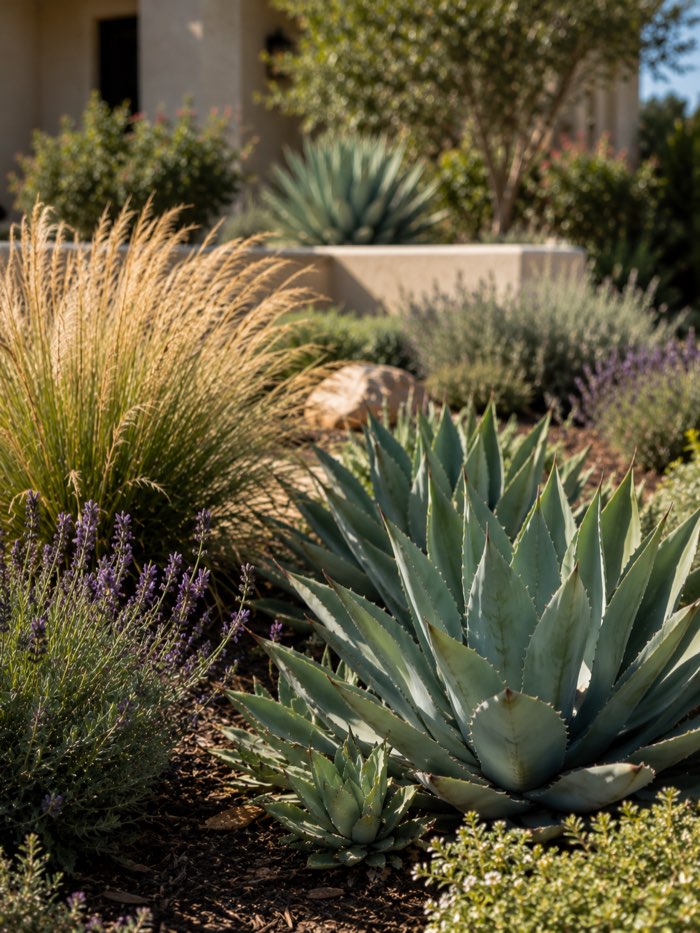
Drought-tolerant landscaping starts with removing whatever isn't working, usually a thirsty lawn or overgrown plants that need more water than they're worth. We grade the area properly, work in soil amendments where needed, and then plant with species suited to low water use: California natives, Mediterranean plants, and ornamental grasses chosen for how they'll actually look together, not just how little water they need.
Mulch, decomposed granite, or gravel fill in the gaps between plants, cutting down on weeds and evaporation. We finish with drip irrigation designed around the mature size of each plant, not a one-size-fits-all sprinkler system left over from the old lawn.
When You Need Drought-Tolerant Landscaping
The clearest sign is a water bill that keeps climbing while your lawn looks worse every year. Other homeowners reach out because they're tired of mowing, because local watering restrictions make a traditional lawn impractical, or because they want to take advantage of turf-removal rebates before the program rules change. If your yard needs more water than you're willing to keep paying for, it's worth exploring what a drought-tolerant redesign would actually look like.
Why Lawns Struggle in Our Climate
Traditional lawns are simply the wrong plant for a hot, dry climate. Cool-season grass varieties common in older landscaping around Burbank were never suited to our summers, so they need constant watering just to stay green, and even then they often go patchy or brown by late summer. Compacted soil makes it worse, since water runs off instead of soaking in, and shallow sprinkler watering trains roots to stay near the surface instead of growing deep.
None of that is a maintenance failure on your part. It's a mismatch between the plant and the place it's growing, and that's exactly what a drought-tolerant redesign corrects.
What Affects the Cost
Turf-removal and drought-tolerant landscaping costs depend on a few factors:
- The size of the area being converted
- How much existing lawn or irrigation needs to be removed first
- The plant density and maturity you choose
- Whether you're adding hardscape, like decomposed granite paths, alongside the planting
Rebate programs can offset part of the cost for qualifying turf removal, and we'll help you figure out what you're eligible for before the project starts.
Partial Conversion vs. Full Yard Replacement
You don't have to convert your entire yard at once. Many homeowners start with the front yard, where curb appeal and water savings matter most, and convert the backyard later, or keep a small functional patch of turf for kids or pets while replacing the rest. A full-yard conversion makes more sense if your irrigation system needs to be replaced anyway, or if you want the most water savings as quickly as possible. We'll help you figure out which approach fits your budget and timeline.
Frequently Asked Questions
How much water does drought-tolerant landscaping actually save?
Most homeowners see a significant drop in outdoor water use, since established native and Mediterranean plants need a fraction of what a lawn requires once they're settled in. The exact savings depend on how much turf you remove and how the new irrigation is set up, but the difference usually shows up within the first couple of billing cycles.
Will a drought-tolerant yard look bare or rocky?
Not if it's designed well. A good drought-tolerant landscape uses layered planting, different heights, textures, and bloom times, so it reads as an intentional garden rather than a gravel yard with a few plants scattered around. We design for how the space will look, not just how little water it uses.
Do drought-tolerant plants need any water at all?
Yes, especially while they're establishing roots during the first year or two. After that, most need occasional deep watering rather than regular irrigation, which is a big difference from a lawn that needs watering multiple times a week.
Am I eligible for a turf-removal rebate?
Eligibility depends on current program rules and the size and type of your project. We stay current on what's available and can walk you through the requirements and paperwork as part of your estimate.
How long before the new landscaping fills in?
Most drought-tolerant landscapes fill in noticeably within the first growing season and reach a more mature look within two to three years, depending on the plant sizes you start with. We can also use larger specimen plants in key spots if you want more impact right away.
Ready to Cut Your Water Bill?
Call for a free, no-pressure consultation. We'll walk your property, talk through what's possible, and follow up with a written estimate.